
























The Definitive Guide to Modern Data Center Architecture: Infrastructure, Evolution, and Strategy
Discover the ultimate guide to modern data center architecture. Explore server frameworks, storage, networking, uptime SLAs, and actionable tips for cloud, colocation, and edge deployments.

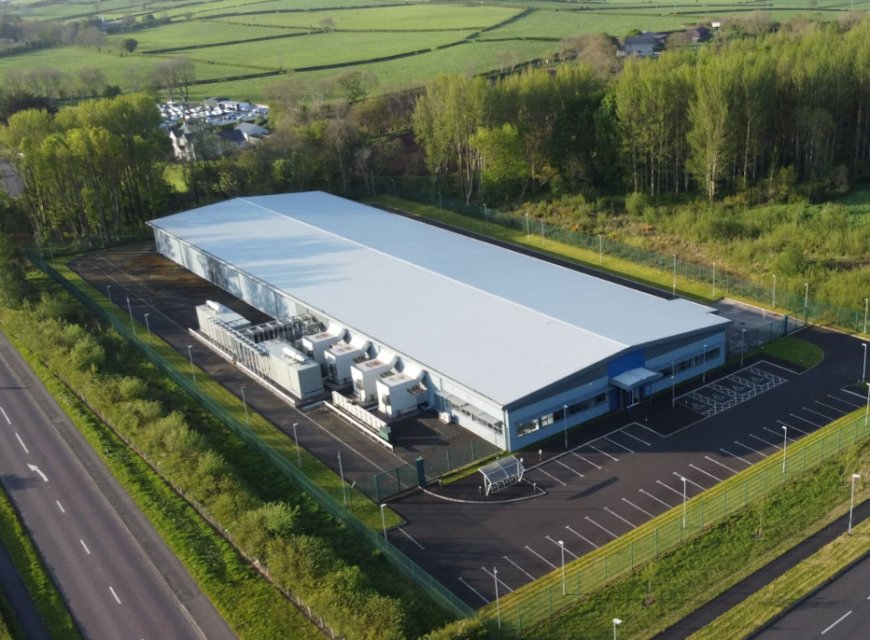
In the modern digital economy, data centers serve as the foundational backbone for global business operations. Enterprise applications, cloud services, and advanced artificial intelligence workloads all depend entirely on data centers to store, manage, and process massive volumes of information. For corporate leaders, IT professionals, and stakeholders, establishing a comprehensive understanding of data center mechanics is no longer just a technical requirement, it is a core strategic necessity.
1. What is a Data Center?
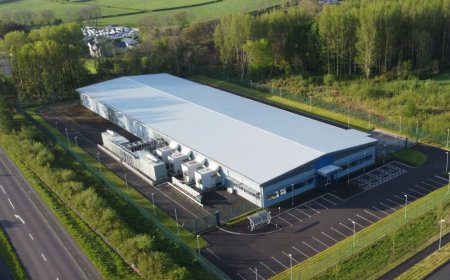
A data center is a highly engineered, centralized physical facility designed to house critical computing, networking, and storage infrastructure. It ensures the continuous availability, integrity, and security of digital applications and corporate data assets.
Traditional vs. Edge Architecture
-
Centralized Data Centers: Designed to manage massive data volumes and execute complex processing tasks. These facilities rely on a highly concentrated infrastructure to achieve massive economies of scale.
-
Edge Data Centers: Smaller, decentralized facilities positioned physically closer to where data is generated and consumed. By processing data locally, edge facilities drastically minimize latency, making them ideal for autonomous systems, smart cities, and real-time operational analytics.
Architectural Classifications
Data centers generally fall into one of three primary deployment models:
-
Enterprise Data Centers: Custom-built facilities owned and operated by a single organization to support its internal workloads.
-
Colocation Data Centers: Shared commercial facilities where multiple organizations rent space, power, and cooling to host their proprietary hardware.
-
Cloud Data Centers: Massive, highly scalable infrastructure networks operated by hyperscale providers (e.g., AWS, Microsoft Azure, Google Cloud) that offer resources on an on-demand, as-a-service basis.
2. Core Components of Data Center Infrastructure
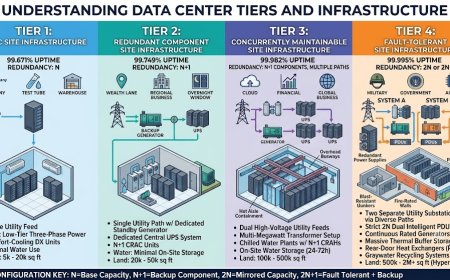
To maintain uninterrupted performance, a data center relies on five foundational infrastructure categories working in perfect synchronization.
Computing Frameworks (Servers)
Servers deliver the computational muscle required to execute workloads and run applications. Modern configurations include:
-
Rack Servers: Standardized, versatile units stacked efficiently in vertical enclosures.
-
Blade Servers: High-density, modular architectures designed to optimize physical space and minimize power consumption.
-
AI-Optimized Units: Specialized hardware equipped with high-performance GPUs and TPUs, purpose-built to accelerate machine learning and deep learning workloads.
Advanced Networking Equipment
Networking infrastructure facilitates high-speed, secure communication between internal servers and external users. Modern facilities leverage ultra-fast fiber-optic cabling and 5G/6G integration alongside redundant network paths and dedicated peering agreements with major Internet Service Providers (ISPs) to maintain low latency.
Tiered Storage Systems
Data centers align storage technologies with performance requirements to optimize costs:
-
Solid-State Drives (SSDs): Deployed for high-speed, hot-tier processing where fast data retrieval is essential.
-
Hard Disk Drives (HDDs): Used for cold-tier archival storage where cost per gigabyte takes priority over speed.
-
Storage Area Networks (SANs): Centralized, dedicated networks that pool block-level storage, allowing servers to provision and manage resources with maximum efficiency.
Redundant Power Infrastructure
Because downtime is extremely costly, data centers rely on layered power architectures:
-
Uninterruptible Power Supplies (UPS): Battery banks that provide instantaneous, bridge power during utility fluctuations or initial outages.
-
Backup Diesel Generators: High-capacity power generation units capable of sustaining full data center operations for prolonged periods during major power grid failures.
Climate and Environmental Controls
Modern, dense computing hardware generates massive amounts of thermal energy. To prevent hardware damage and performance degradation, data centers deploy advanced climate controls:
-
Precision Cooling Systems: Direct-to-chip liquid cooling and hot/cold aisle containment systems designed to handle high-density AI workloads.
-
Humidity Regulators: Environmental controls that keep moisture levels within strict parameters to prevent electrostatic discharge or equipment corrosion.
3. The Role of Data Centers in IT Infrastructure
+--------------------------------------------------------------------------+
|                       CORE DATA CENTER ROLES                             |
+-------------------+-------------------+------------------+---------------+
|   Data Storage    |  Data Processing  |   Connectivity   |  Security &   |
| & Lifecycle Mgmt  |  & AI Computing   | & Low-Latency Ne |  Compliance   |
+-------------------+-------------------+------------------+---------------+
-
Data Storage and Lifecycle Management: Securely managing diverse data types across scalable media options to ensure data is available throughout its lifecycle.
-
Data Processing and AI Computing: Providing the massive parallel processing power and distributed computing frameworks required for real-time big data analytics and machine learning model training.
-
High-Speed Connectivity: Utilizing redundant network fabrics and extensive peering agreements to provide low-latency communication for global users.
-
Security and Compliance: Enforcing strict physical perimeter controls, biometric access, end-to-end encryption, and continuous monitoring to comply with strict global regulations like GDPR, HIPAA, and PCI-DSS.
-
Disaster Recovery and Business Continuity: Executing automated, real-time data replication to geographically separated secondary sites, protecting companies against hardware failure or natural disasters.
4. Understanding Operational Uptime and SLA Architecture
Uptime is the percentage of time a data center facility is fully operational and accessible. For third-party cloud and colocation deployments, uptime guarantees are legally codified in Service Level Agreements (SLAs).
The current industry standard for mission-critical operations is 99.999% uptime (frequently called the "five nines"), which allows for no more than 5.26 minutes of unscheduled downtime per year.
Strategic Insight: Evaluating the Fine Print
When evaluating a third-party vendor's uptime SLA, look closely at how they define downtime. Review what exclusions apply (such as scheduled maintenance windows) and ensure the financial penalties or service credits offered if they breach the agreement are enough to offset your potential business losses.
5. Strategic Benefits of Modern Data Center Solutions
Transitioning from legacy on-premises server rooms to modern colocation or hyperscale cloud data centers offers several key advantages:
-
Enhanced Financial Efficiency: Shifting heavy capital expenditures (CapEx) for physical buildings and hardware into predictable operating expenses (OpEx) frees up capital for core business growth.
-
Rapid Scalability: On-demand computing and storage resources allow organizations to scale up instantly during traffic spikes and scale back down when demand drops.
-
Improved Innovation and Agility: Moving infrastructure management to an expert provider lets internal IT teams focus on developing software and driving digital transformation.
-
Advanced Environmental Sustainability: Modern data centers leverage green microgrids, intelligent liquid cooling, and optimized Power Usage Effectiveness (PUE) metrics to help companies meet strict environmental, social, and governance (ESG) regulations.
6. Implementation Comparison: Deployment Models
| Feature | Enterprise (On-Premises) | Colocation Services | Public Cloud Infrastructure |
| Capital Investment (CapEx) | Very High (Building, infrastructure, hardware) | Medium (Hardware acquisition only) | None (Fully utility-based pricing) |
| Operational Control | Absolute (Full internal oversight) | Shared (Internal hardware, external facility) | Vendor-Managed (Abstracted infrastructure) |
| Scalability Velocity | Slow (Requires manual procurement) | Moderate (Requires rack expansion) | Instantaneous (Automated software provisioning) |
| Maintenance Burden | Total (Internal staff manages all tiers) | Shared (Vendor maintains facility/power) | Zero (Vendor manages entire underlying layer) |
| Ideal Workload Profile | Highly sensitive legacy apps with strict compliance | Predictable, high-volume workloads needing physical control | Variable, fast-growing apps and big data processing |
7. Real-World Scenarios
Scenario A: Financial Institution Modernizing for Disaster Recovery
A national retail bank managing customer accounts on-premises needed to modernize its disaster recovery strategy. They set up synchronous data replication between their main enterprise facility and a secure colocation data center located 150 miles away.
-
Outcome: When a severe regional power grid failure knocked out the primary data center, automated failover mechanisms instantly shifted operations to the colocation facility. The bank maintained full application availability with zero data loss or service disruption for its mobile banking users.
Scenario B: E-Commerce Platform Managing Seasonal Traffic Spikes
An international e-commerce brand experiences massive, unpredictable traffic spikes during major holiday shopping events.
-
Outcome: By moving its core application stack to a public cloud data center network, the company uses auto-scaling policies to dynamically spin up hundreds of virtual servers as traffic grows. This ensures a fast, lag-free checkout experience for shoppers, and automatically scales down resources afterward to avoid paying for idle capacity.
Scenario C: Industrial Manufacturing Optimizing Operations with Edge Computing
A global manufacturing company operates automated factories equipped with thousands of IoT sensors tracking precision assembly lines.
-
Outcome: Instead of sending terabytes of raw sensor data to a distant cloud facility—which creates latency and bandwidth bottlenecks—the company deployed compact edge data centers right on the factory floor. These edge systems process operational telemetry locally and in real time, catching machinery anomalies instantly to prevent costly production line stoppages.
8. Strategic Technical Tips for Enterprise Leaders
-
Audit Workload Characteristics: Analyze your application profiles before choosing a deployment model. Use colocation for stable, predictable baseline workloads, and leverage the cloud for variable, fast-growing applications.
-
Enforce Multi-Region Redundancy: Avoid relying on a single data center location. Distribute your critical applications across at least two distinct geographic zones to protect against widespread regional outages.
-
Track Power Usage Effectiveness (PUE): When vetting colocation or cloud partners, prioritize facilities with a PUE metric close to 1.0. Highly efficient power design lowers operational costs and directly reduces your corporate carbon footprint.
-
Prioritize Hybrid-Cloud Flexibility: Build your applications using containerized architectures (like Kubernetes). This keeps your workloads portable, preventing vendor lock-in and allowing you to easily move data between cloud networks and on-premises environments.
9. Key Takeaways
-
Foundation of Digital Value: Data centers are the underlying engine of modern commerce, scaling from localized edge nodes to massive hyperscale cloud environments.
-
Strategic SLA Management: Uptime guarantees require careful review; true operational resilience depends on clear financial penalties and explicit definitions of downtime.
-
Infrastructure Synergy: Seamless business operations depend on five well-maintained pillars: computing power, high-speed networking, tiered storage, reliable power, and environmental controls.
-
Sustainability-Driven Growth: Modern data center innovation is increasingly focused on green initiatives, clean energy microgrids, and liquid cooling systems to balance high-performance computing with strict global environmental regulations.
10. Frequently Asked Questions (FAQ)
1. What is the difference between a data center and the cloud?
A data center refers to the actual physical building and hardware infrastructure that houses computing systems. "The Cloud" is an on-demand service model built on top of those data centers, allowing users to rent virtualized computing, networking, and storage resources over the internet without owning the physical hardware.
2. What is an edge data center, and why is it becoming popular?
An edge data center is a compact, decentralized facility located close to where data is generated or consumed. It is growing in popularity because it minimizes latency and reduces bandwidth costs for real-time applications like autonomous driving, smart factory automation, and high-frequency trading.
3. What does "five nines" uptime mean in practice?
Five nines uptime equals a 99.999% availability guarantee. Practically speaking, this means a data center commits to experiencing no more than 5.26 minutes of unplanned downtime across an entire calendar year.
4. What is Power Usage Effectiveness (PUE)?
PUE is a standard efficiency metric calculated by dividing the total power entering a data center facility by the power delivered specifically to its computing equipment. The closer the ratio is to 1.0, the more energy-efficient the data center is.
5. How do data centers handle sudden utility power failures?
Data centers use a tiered power strategy. If the main power grid fails, Uninterruptible Power Supplies (UPS) instantly provide battery power to keep equipment running without interruption. Within seconds, automated backup diesel generators fire up to take over the load and sustain operations for days if needed.
6. What is colocation?
Colocation is a data center model where a commercial facility provider rents out physical space, cooling, power, and security to multiple independent companies. This allows organizations to operate their own hardware without building and maintaining a dedicated facility.
7. How are high-density AI and machine learning workloads changing data centers?
AI workloads require specialized, high-power GPUs that generate far more heat than traditional CPUs. This shift is driving rapid adoption of high-density infrastructure, direct-to-chip liquid cooling systems, and specialized power management architectures.
8. What physical security measures do modern data centers use?
Modern data centers protect their infrastructure using multi-layered security perimeters. This typically includes high security fencing, 24/7 video surveillance, biometric access scanners, mantraps at entry points, and strictly logged access rosters.
9. Why is humidity control important in a server room?
If humidity drops too low, it increases the risk of electrostatic discharge (ESD), which can ruin sensitive silicon components. If humidity is too high, it leads to condensation and moisture buildup, causing equipment corrosion and electrical shorts.
10. What is a Storage Area Network (SAN)?
A SAN is a dedicated, high-speed network that interconnects and provides shared pools of block-level storage devices to multiple servers. This architecture improves storage utilization, simplifies management, and makes data transfers more efficient.
11. Can small businesses benefit from data centers without a large IT budget?
Yes. Small businesses can easily leverage data centers by using public cloud infrastructure or Software-as-a-Service (SaaS) applications. This gives them access to enterprise-grade security and computing power through affordable, pay-as-you-go operating expenses.
12. How do data centers protect data privacy and comply with regulations like GDPR?
Data centers enforce data compliance by implementing role-based physical access restrictions, hardware-level data encryption at rest and in transit, detailed audit logging, and regular third-party security certifications (such as SOC 2 Type II and ISO 27001).
13. What is the difference between SSDs and HDDs in data center architecture?
Solid-State Drives (SSDs) use flash memory to deliver fast data access, making them ideal for running active databases and mission-critical applications. Hard Disk Drives (HDDs) use spinning magnetic platters, offering slower access speeds but a much lower cost per gigabyte, making them perfect for long-term data archiving.
14. What happens if a data center vendor breaches their uptime SLA?
If a vendor fails to meet their guaranteed uptime percentage, they are typically required to issue financial service credits to the customer, scaled to the duration of the outage. These terms and credit structures are explicitly outlined in the Service Level Agreement (SLA).
15. How do data centers fit into corporate sustainability goals?
Data centers are major consumers of energy. To help companies meet sustainability targets, modern facilities are investing heavily in renewable energy microgrids (like solar and wind), advanced liquid cooling systems that cut energy use, and recycling waste heat to warm nearby communities.
Algene Toh
+65 90088002
admin@bsr2.com
现代数据中心架构权威指南:基础建设、技术演进与战略规划
在现代数字经济中,数据中心已成为企业运营不可或缺的核心基石。无论是企业级应用、云服务,还是高负载的人工智能(AI)计算,都完全依赖数据中心来进行海量数据的存储、管理与处理。对于企业决策者、IT专业人员及核心利益相关者而言,深入理解数据中心的基础架构与运行机制,已不再仅仅是一项技术要求,而是关系到企业长远发展的核心战略决策。
1. 什么是数据中心?
数据中心是一种经过高度工程化设计的集中式物理设施,专门用于托管企业关键的计算、网络和存储基础设施。它承担着保障数字化应用与企业数据资产全天候高可用性、完整性以及安全性的核心任务。
集中式架构与边缘式架构的对比
-
集中式数据中心(Centralized Data Centers): 旨在管理超大规模的数据量并执行复杂的计算任务。此类设施依赖高度集中的基础设施部署,以实现巨大的规模经济效应。
-
边缘数据中心(Edge Data Centers): 规模较小、分布式部署的硬件设施,在地理位置上更贴近数据的产生源头与消费终端。通过就地处理数据,边缘设施能够显著降低网络延迟,是自动驾驶系统、智能城市和实时业务数据分析的理想选择。
架构部署模式分类
根据不同的部署形态,数据中心主要分为以下三种主流模式:
-
企业级数据中心(Enterprise Data Centers): 由单一组织独立建造、拥有并运营的专用设施,完全用于支持该企业自身的内部业务负载。
-
托管型数据中心(Colocation Data Centers): 商业化运营的共享设施。多家企业通过租赁空间、电力和冷却系统,来托管其私有的硬件设备。
-
云数据中心(Cloud Data Centers): 由超大规模云服务商(如阿里云、腾讯云、AWS、微软Azure等)运营的庞大且高度可扩展的基础设施网络,以按需付费、即服务(as-a-service)的形式为全球用户提供计算资源。
2. 数据中心基础设施的核心要素
为了确保数字化业务永续运行,数据中心依赖以下五大基础硬件门类的紧密协同与完美同步。
计算架构(服务器)
服务器是执行业务负载和运行应用程序的“计算大脑”。现代数据中心的配置包括:
-
机架式服务器(Rack Servers): 标准化、通用性强的计算单元,能够高效地垂直堆叠在标准机柜中。
-
刀片式服务器(Blade Servers): 模块化、高密度的计算架构,旨在最大化利用物理空间并显著降低能耗。
-
AI优化型服务器(AI-Optimized Units): 配备了高性能GPU(图形处理器)和TPU(张量处理器)的专用硬件,专为加速机器学习和深度学习的大模型训练而设计。
先进的网络设备
网络基础设施承载着内部服务器之间以及外部用户之间的高速、安全通信。现代设施广泛采用超高速光纤布线、高性能交换机,并融合5G/6G技术,同时结合冗余网络路径以及与主要互联网服务提供商(ISP)的对等互联协议,以确保极低的网络延迟。
分层存储系统
数据中心根据数据的访问频次和性能需求对存储技术进行分层,从而最大化优化成本:
-
固态硬盘(SSD): 部署于高性能的“热数据层”,专为需要即时响应、高并发读取的核心业务而设计。
-
机械硬盘(HDD): 用于“冷数据层”的大容量归档存储,在这些场景中,单位吉字节(GB)的存储成本比访问速度更具决定性。
-
存储区域网络(SAN): 一种高速的专用网络,它将块级存储资源整合为一个统一的资源池,使多台服务器能够以极高的效率灵活调用和管理存储空间。
冗余电力基础设施
由于意外停机带来的经济损失极其高昂,数据中心采用了严密的分层电力保障架构:
-
不间断电源系统(UPS): 大规模蓄电池组,当主电网发生波动或突发断电时,能毫秒级切换提供瞬时过渡电力,确保设备平稳运行。
-
后备柴油发电机组: 高功率的发电系统,拥有充足的燃料储备,能够在大规模电网长期瘫痪时,持续为整个数据中心提供数天甚至数周的独立电力支持。
气候与环境控制系统
现代高密度计算硬件在运行过程中会产生巨大的热量。为了防止硬件过热损坏和性能衰减,数据中心配备了先进的温湿度控制系统:
-
精密冷却系统: 采用芯片级液冷(Direct-to-Chip Liquid Cooling)以及冷热通道隔离技术(Hot/Cold Aisle Containment),专为应对高功耗的AI计算负载而设计。
-
湿度调节器: 严格将机房内的空气湿度控制在安全区间内,防止因空气过干产生静电释放(ESD)破坏微电子元件,或因过湿导致设备内部结露与腐蚀。
3. 数据中心在企业IT基础设施中的角色
+--------------------------------------------------------------------------+
|                       数据中心在IT架构中的核心职能                       |
+-------------------+-------------------+------------------+---------------+
|   数据存储与      |  高效数据处理与   | 高速、低延迟的网络 | 全方位安全防御|
|  生命周期管理     |   AI算力支撑      |    互联与互通    |   与合规保障  |
+-------------------+-------------------+------------------+---------------+
-
数据存储与生命周期管理: 利用可弹性扩展的存储介质,安全地管理各种数据类型,确保数据在其整个生命周期内随时可被合规访问。
-
高效数据处理与AI算力支撑: 提供庞大的并行计算能力和分布式计算框架,为实时大数据分析、复杂的商业智能以及机器学习模型的训练提供算力引擎。
-
高速、低延迟的网络互联: 依托冗余的网络架构和广泛的ISP对等互联,为全球分布式用户和分支机构提供快速、稳定的网络接入。
-
全方位安全防御与合规保障: 通过严格的物理周界控制、生物识别准入、端到端数据加密以及全天候监控,确保设施符合全球最严格的安全规范与法律法规(如GDPR、等保2.0、HIPAA、PCI-DSS等)。
-
灾难恢复与业务连续性(DR/BC): 跨地理位置将核心数据实时同步复制到异地备份中心。一旦主设施遭遇硬件故障或自然灾害,自动切换机制可瞬间激活,将业务停机时间和数据丢失量降至接近于零。
4. 深入理解业务在线率与SLA架构
在线率(Uptime)是指数据中心设施处于完全正常运行且可访问状态的时间百分比。对于使用第三方云服务或托管服务的企业而言,在线率承诺会被明确写入具有法律效力的服务等级协议(SLA)中。
目前,行业内针对核心关键业务的标准是 99.999% 在线率(即通常所说的“五个九”)。这意味着在连续一整年的运行中,非计划性的累计停机时间不能超过 5.26 分钟。
战略洞察:审视条款中的“潜规则”
在评估第三方服务商的SLA时,切记要仔细阅读细则。重点关注他们如何定义“停机时间”,了解哪些情况属于免责排除条款(例如常规的例行维护窗口)。同时,必须确保对方承诺的赔偿机制或服务积分(Service Credits)额度,足以弥补因意外停机给您企业带来的实际商业损失。
5. 现代数据中心解决方案的战略收益
将传统的企业自建机房升级或迁移至现代化的托管数据中心、超大规模云数据中心,可为企业带来诸多显著优势:
-
优化财务效能(从CapEx转为OpEx): 将原本用于建造机房、采购大批硬件的巨额资本支出(CapEx),转变为可预测、弹性的日常运营支出(OpEx),从而释放宝贵的现金流以投入到企业的核心业务发展中。
-
敏捷的弹性扩容: 提供按需分配的计算与存储资源。当企业遭遇业务高峰(如电商大促)时可实现秒级扩容,而当流量回落时可即时缩容,完美契合业务波动。
-
释放创新与业务灵活性: 将繁琐、底层的日常硬件运维和环境管理交由专业服务商负责,让企业内部的IT团队能够全身心地投入到应用软件开发和数字化转型等高价值活动中。
-
践行绿色可持续发展: 现代数据中心积极引入绿色微电网、智能液冷以及极致优化的能源利用效率(PUE)指标,直接协助入驻企业达成严苛的环境、社会和公司治理(ESG)合规目标。
6. 实施方案对比:三大部署模式探讨
| 评估维度 | 企业自建机房 (On-Premises) | 基础设备托管 (Colocation) | 公有云基础设施 (Public Cloud) |
| 初期资本投入 (CapEx) | 极高 (涉及土建、机房装修、全套硬件采购) | 中等 (仅需采购私有服务器硬件) | 无 (完全基于实际使用量的计费模式) |
| 运营控制权限 | 绝对掌控 (拥有从物理层到软件层的完全控制) | 共享模式 (自行控制硬件,服务商控制机房) | 厂商托管 (底层物理基础设施被完全抽象化) |
| 业务扩容速度 | 缓慢 (需要经历漫长的硬件采购、上架调试周期) | 中等 (取决于机柜空间的扩容与增配速度) | 即时响应 (通过软件平台或API实现自动化秒级扩容) |
| 日常运维压力 | 极其繁重 (企业IT团队必须包揽所有维保工作) | 共同分担 (服务商维护电力与冷却,企业维护硬件) | 零负担 (服务商全权负责所有底层基础设施的维护) |
| 最佳适用场景 | 拥有严苛合规要求且高度敏感的超大型传统核心系统 | 业务量大且平稳,同时需要物理掌控硬件的所有权 | 流量波动大、处于快速成长期的新型应用及大数据处理 |
7. 行业典型应用场景
场景一:某商业银行构建异地容灾体系
一家全国性零售银行在自建机房内运行其核心账务系统,为了提升抗风险能力,决定对灾备战略进行全面升级。该行在距离总部主中心150公里外的一家高安全等级托管数据中心内,部署了一套完全对称的灾备硬件,并开通了双中心之间的实时同步复制。
-
成效表现: 在一次局部突发特大暴雨导致主中心所在区域电网整体瘫痪时,自动切换机制在数秒内成功将业务流量全部导向托管灾备中心。该行的网银、手机银行及ATM业务全程保持稳定在线,实现了数据零丢失与业务零中断。
场景二:跨国电商平台应对季节性流量洪峰
一家知名的跨境电商企业,在每年的“双11”及海外“黑色星期五”促销期间,都会面临比平时高出数十倍甚至上百倍的极端并发流量访问。
-
成效表现: 通过将核心电商应用部署在超大规模公有云数据中心网络上,该企业配置了弹性伸缩策略。系统根据CPU利用率和网络带宽自动创建数百台虚拟服务器来分担压力,保障了全球消费者丝滑的下单支付体验;促销结束后,多余的资源自动释放,避免了闲置成本的浪费。
场景三:离散制造企业借助边缘计算优化产线运营
一家全球化的汽车零部件制造企业,在其自动化工厂内安装了数万个高精度物联网(IoT)传感器,用以实时监测精密装配线的运行状态。
-
成效表现: 考虑到如果将每秒产生的数据悉数传回远端云中心,不仅会消耗极其庞大的网络带宽,还会因网络延迟导致无法做到故障实时预警。于是,该厂在车间本地部署了微型边缘数据中心。数据在产线旁被即时过滤与分析,一旦发现机械手臂有微小异常,系统可在几毫秒内触发停机保护,成功避免了重大批量废品的产生。
8. 给企业决策者的战略技术建议
-
深入审计业务负载特性: 在决定部署模式前,请全面梳理企业现有的应用画像。对于资源需求平稳、对安全性要求极高的核心基线业务,建议选择托管服务;而对于具有高弹性、需要快速更迭的创新业务,应优先拥抱公有云。
-
强制推行多可用区冗余架构: 切勿将企业的“所有鸡蛋放在同一个篮子里”。在架构设计上,核心应用必须至少跨越两个独立的地理区域或可用区进行分布式部署,从而有效对冲区域性重大灾害带来的断网风险。
-
紧密跟踪电能利用效率(PUE): 在筛选外部托管或云服务伙伴时,应将PUE指标作为核心考量之一。优先选择PUE逼近1.0的低能耗、绿色数据中心,这不仅能显著降低企业分摊的电费,更能直接优化企业的ESG绿色合规表现。
-
推行“混合云/多云”战略,拒绝技术锁定: 鼓励技术团队采用容器化技术(如Kubernetes)来构建应用。通过保持软件架构的解耦与轻量化,确保应用和数据能够在自建机房、托管中心以及不同的公有云之间自由迁移,最大化提升议价能力与技术自主权。
9. 核心要点总结
-
数字经济的算力引擎: 数据中心是现代商业运行和数字化转型的底座,其形态从靠近终端的边缘微型节点,一直延伸至支撑全球互联网的 hyperscale 超大规模云端集群。
-
重视SLA的法律效力: 高可用性的背后是严谨的合同条款。评估数据中心服务时,必须深入推敲停机定义、免责边界以及发生违约时的服务积分补偿方案。
-
五大支柱缺一不可: 卓越的业务表现源自数据中心五大核心要素的完美协同:澎湃的服务器算力、高速畅通的网络、冷热分层的存储、稳如磐石的电力保障以及精密的温湿度控制。
-
绿色低碳驱动未来: 随着计算密度的爆炸式增长,数据中心的演进已将绿色微电网、清洁能源引入以及创新的液冷制冷作为核心突破口,在输出强劲算力的同时,实现与自然环境的可持续共生。
Disclaimer: The information presented on BSR2.com is intended for general informational purposes only. It does not constitute legal, financial, investment, or real estate advice and should not be relied upon as such. While every effort has been made to ensure the accuracy, reliability, and completeness of the content at the time of publication, all data is derived from publicly available sources and may be subject to change without notice. BSR2.com makes no representations or warranties of any kind, express or implied, regarding the suitability, timeliness, or accuracy of the information provided for any specific purpose. Users are strongly encouraged to seek independent advice from qualified professionals before making any decisions based on the content found on this website. BSR2.com shall not be held liable for any loss, damage, or consequence, whether direct or indirect, arising from the use of or reliance on the information provided. The content is intended as a general guide and does not take into account individual circumstances.
What's Your Reaction?
 Like
0
Like
0
 Dislike
0
Dislike
0
 Love
0
Love
0
 Funny
0
Funny
0
 Angry
0
Angry
0
 Sad
0
Sad
0
 Wow
0
Wow
0